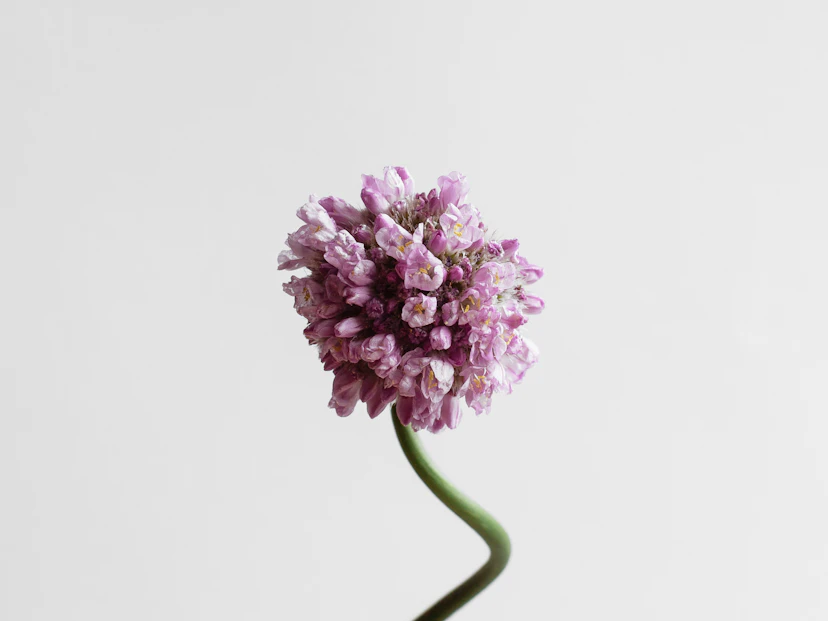
Euphorbia
Flower of the Month
The euphorbia is a diverse genus of flowering plants that encompasses everything from tiny annual plants to magnificent, long-living trees. It hails from pretty much all over the world, with many of the euphorbia from Southern Africa and Madagascar having evolved characteristics similar to the cacti of North and South America.
Forget all that for a moment though because they’re more commonly known as SPURGE - how cool is that? When I say ‘cool’ I obviously mean in the true, nineties-heyday-of-frankly-bizarre-kids-TV-shows sense of the word. Gunge! Splat! Spurge! In fact, if you google pictures of the euphorbia, there is something almost gunge like in the explosions of green plants that burst from the screen. Which is strange (and possibly makes me think I’m projecting a bit), because actually the euphorbia possess a unique flowering structure, wherein the individual flowers on each plant actually look, when viewed all at once, like components of one huge flower. Strictly organised in other words and a far cry from the mess of goo that used to end up all over a presenter at the climax of whatever you were watching on ITV before switching over to Grange Hill two decades ago.
By the way, don’t google the etymology of the name spurge - take it from me - it’s gross and not in the gunge way, in the gross way. Let’s just say it has something to do with the plant’s poisonous, which even relates to the plant’s proper name, named as it was after Euphorbous, the Greek physician of King Juba The Second.
Anyway, putting all that aside: a lot of euphorbia make very nice ornamental plants (you might be familiar with the red and green plumage of the Mexican poinsettia, which pops up a lot around Christmas time). Whatever you do though just don’t call them cacti - if there’s one thing that gets the Serious World Of Botany all riled up it seems, it’s amateurs mistaking euphorbia for cacti. SPURGE!